Fiberglass boats wear their history on the surface. Dock rash along the rub rail, spider cracks radiating from a cleat, a chalky haze that used to be mirror bright. All of it lives in the gelcoat, the hard polyester skin that seals and protects the laminate beneath. Deciding whether to tackle marine gel coating repairs yourself or hand the job to a professional is not just about budget. It is about risk, environment, expectations, and the time you are willing to spend learning a craft that rewards patience and punishes shortcuts.
What follows reflects the reality on the transom, not a catalog description. Gelcoat is fickle. It blushes if the temperature swings, it pinholes if the surface is outgassing, it waves if your block sanding drifts. Get it right and you will forget where the patch was. Get it wrong and you will see it every time you pull into the slip at sunset.
What gelcoat really does, and why it fails
Gelcoat is a pigmented polyester resin with UV stabilizers, sprayed or brushed into a mold as the first layer before fiberglass fabric is laid behind it. On finished boats, that layer is typically 15 to 25 mils thick. Over years in sun and salt, the outermost fraction oxidizes and turns chalky. Impacts fracture it. Moisture and stress create hairline crazing around fasteners and tight corners.
Failure usually shows up as one of five patterns. Oxidation and color fade across broad surfaces. Spider cracks where stress concentrated, like at stanchion bases. Chips and gouges down to the fiberglass from docks and trailers. Pinholes and porosity that look like tiny bubbles in the finish. Blisters below the waterline that indicate osmotic pressure inside the laminate. Each pattern asks for a different approach. Oxidation responds to compound and polish, sometimes followed by Boat ceramic coating. Spider cracks want to be ground clean, then filled. Gouges need a structural base before the cosmetic layer. Pinholes demand a sealed substrate, then thin, even coats. Blisters require aggressive de-lamination and drying before anything else.
The home shop path: where DIY shines
Gelcoat repair is not a mystical art, but it does ask for good tools, clean habits, and realistic scope. If you are fixing minor chips above the waterline on a white hull, DIY can turn out beautifully. Color matching white is forgiving, small areas do not demand spray equipment, and the stakes are manageable. You are unlikely to cause structural harm with a careful chip fill on a topside.
Time is your ally at home. Gelcoat cures by reacting with a catalyst, so your working window can be extended by cooler temperatures and smaller batches. You can take the time to block sand flat. You can mix tints in daylight, then check it again outside before committing. You can come back tomorrow if the wind kicks up dust.
A quick field checklist for DIY gelcoat touch-ups
- Clean, dry work area with shade and stable temperature between 65 and 80 F Gelcoat repair paste or unwaxed gelcoat with MEKP catalyst, plus a few tints Abrasives from 80 through 3000 grit, sanding blocks, and masking tape Polishing compounds, pads, and a variable speed polisher Protective gear, including a proper respirator for sanding fiberglass and solvents
Working clean is half the battle. Any contamination in the repair zone will telegraph through the patch. Wax, silicone, even sunscreen on your hands can fisheye the gel. Degrease with a dedicated solvent, then soap and water, then alcohol. Mask a soft perimeter so you do not create a hard paint line, and feather the edges of damage so the filler has a ramp to bond against.
For minor chips, I favor gelcoat paste with wax that surfaces during cure. It builds well, sands without clogging, and, if the color is close, can be invisible after leveling and polish. Mix in pea-sized batches. Off-ratio catalyst opens two traps: brittle patches if over-catalyzed, sticky forever if under-catalyzed. Aim for a peanut butter consistency, press it into the void to push out air, then leave it proud. Wrap a springy spreader with Mylar or packing tape so you can squeegee smooth without sticking.

The sanding ladder matters. Knock down high spots with 220 or 320, then step through 600, 1000, 1500, and 2000. Dry sand for shape, wet sand for finish. Keep a hard block on flat sections and a soft interface pad on curves. If you see a dull halo around the patch that will not polish out, you thinned the surrounding gel too much. Stop and reassess. After sanding, finishing compounds bring back clarity. A wool pad at low to medium speed cuts faster, then switch to a foam pad for refinement.
Color is the wild card. Even “white” hulls fade toward ivory or chalk. Factory codes help, but sun exposure and polishing history change tone by year. The eye is cruel to near misses. You can get away with a slightly brighter white on a deck nonskid, but the same mismatch at eye level on a topside will bug you. Under these circumstances, I often isolate the repair along a natural break, like a stripe or rub rail, to reset the viewer’s expectation.
Where DIY struggles: scale, structure, and environment
Not every gelcoat problem is a home project. Anything below the waterline carries higher risk. If a blister weeps vinegar-smelling fluid, that is osmotic activity inside the laminate. The cure is not a dab of paste. It wants grinding back to dry glass, moisture testing, solvents to draw out contamination, then layers of epoxy barrier before a fairing and gel or paint. That is boatyard work in most cases, with containment and cure control.
Large areas above the waterline can be equally treacherous. If your topside is uniformly chalky, compound and polish might breathe life into it. If the gel is thin from repeated polishing, you are chasing gloss that is not there. Re-gelcoating a hull is a major operation. Spraying gelcoat requires specialized guns, a controlled booth, and the patience to block out orange peel across long panels. Many owners go to linear polyurethane or hybrid coatings at this stage because they lay thinner and can be applied more precisely in a controlled environment.
Environmental control is the biggest gap between a driveway and a shop. Gelcoat does not like humidity spikes or dust. Catalyst ratios wander as temperature changes, which changes pot life and gloss. Sanding fiberglass in the open air is also a neighborhood hazard. If you cannot commit to containment and proper disposal, do not start.
The cost curve, and where money hides
DIY wins on labor, loses on tooling and the inevitable learning curve. Materials for a handful of chip repairs will run 60 to 150 dollars. If you need a good variable speed polisher, pads, and a range of abrasives, add 200 to 500 dollars. A proper respirator and vacuum extraction for sanding are not optional. They add cost, but they buy health.
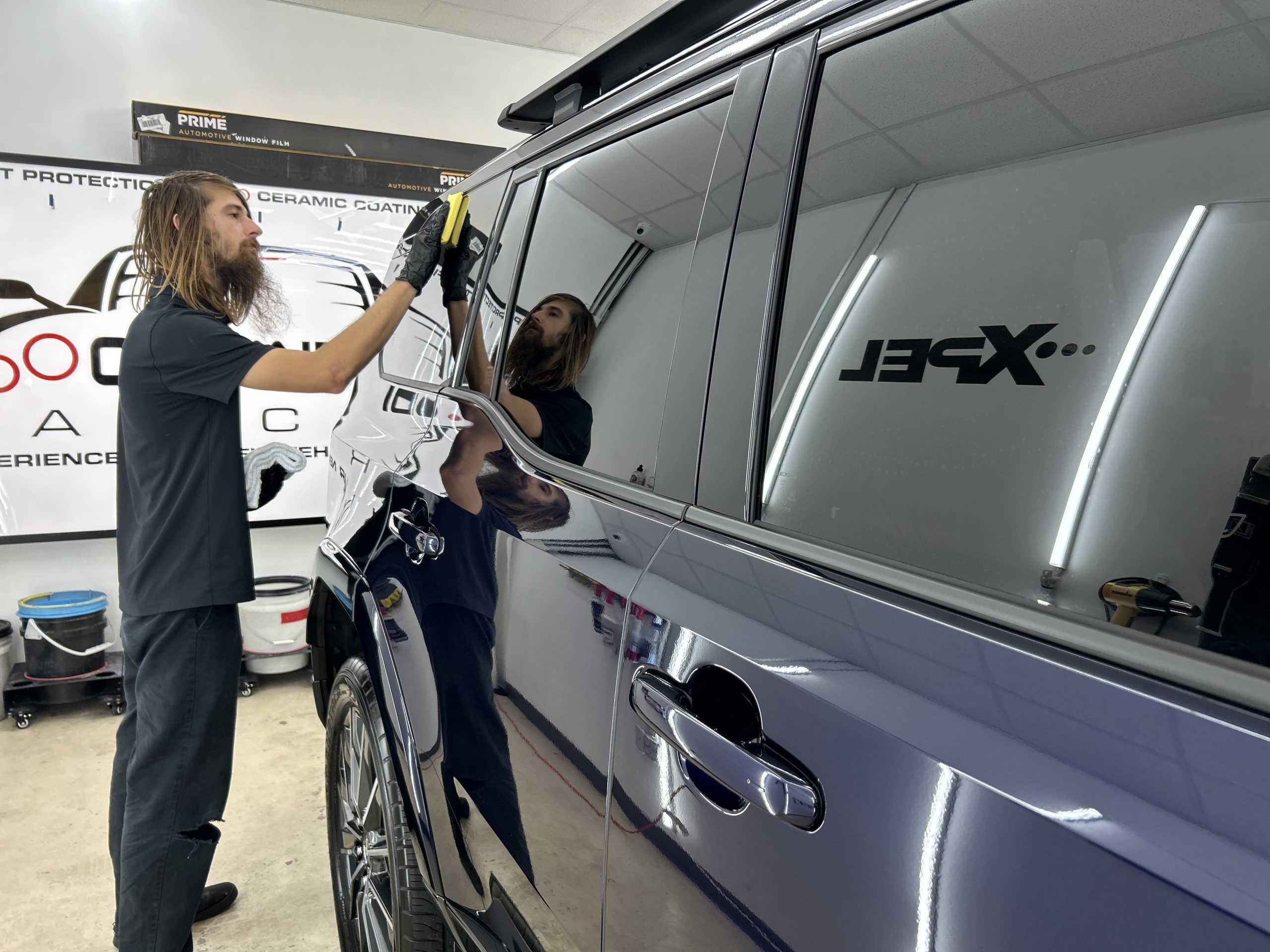
Professional gelcoat work is labor heavy. A shop rate multiplied by careful prep, cure time, and staged sanding adds up. A basic dock rash repair along a rub rail might land in the 300 to 700 dollar range depending on length and color match. Spider crack remediation around a stanchion could be 400 to 900 if the base needs reinforcement. Osmotic blister remediation is a project, not a repair. It can climb into the thousands across a bottom job. Full topside refinishing varies widely, but reframing expectations to 150 to 300 dollars per linear foot for high-end outcomes will stave off sticker shock. You can find lower quotes, but do not compare those numbers without comparing process details.
The hidden cost is rework. A low bid that disappears after the first season, or a DIY patch that stains and prints through, costs double when it is time to fix the fix.
Hugo's Auto Detailing: how we assess gelcoat damage
At Hugo's Auto Detailing, the name suggests cars, and yes, we run a meticulous Car detailing service with proper Exterior detailing and Interior detailing disciplines. The same sensibility carries over to our Boat detailing service and Marine detailing practice. We start gelcoat work by asking the same questions we ask when we plan Paint correction on a black coupe. What is the material, how thick is it, where are the edges, and what failure modes already exist?
On boats, that means measuring oxidation levels with gloss meters, checking thickness with eddy current gauges when paint is present, and using a careful fingernail test on gelcoat to read hardness and brittleness. We map stress points that caused spidering. We chase the story behind impact gouges. A repair is never just the void you see. If the deck hardware above a crack is loose, we tighten and re-bed before touching cosmetics, or the crack will be back.
Color match is a craft of its own. Hugo's Auto Detailing maintains tint libraries that track local sun exposure so we can anticipate shifts on popular hull colors after five or ten seasons. We mix small test panels, cure them, and check under different light temperatures. No one notices a perfect match. Everyone notices a 3 percent miss.
The DIY - pro handoff: recognizing the tipping point
It is rare that an owner cannot handle any gelcoat task. It is equally rare that an owner wants to handle all of them. Pride of work is real, and there is something satisfying about leveling a chip until your reflection returns. The tipping point appears when any one of three constraints bites: precision required, environment required, or structural integrity at stake.
Here is a short list that, in practice, sends a project to the shop:
- Any repair below the waterline, especially active blisters or weeping laminate Long, flat topside panels where orange peel and waviness will be obvious Metallic or dark hull colors that amplify color mismatch and sanding halos Repairs around critical hardware where rebedding and reinforcement are needed Situations that demand spraying gelcoat rather than brushing or pasting
A final handoff signal is time. If your boat sits uncovered outdoors and the weather window is closing, it is wiser to let a pro stage the job under containment than to rush a DIY repair that will print every raindrop and pollen grain.
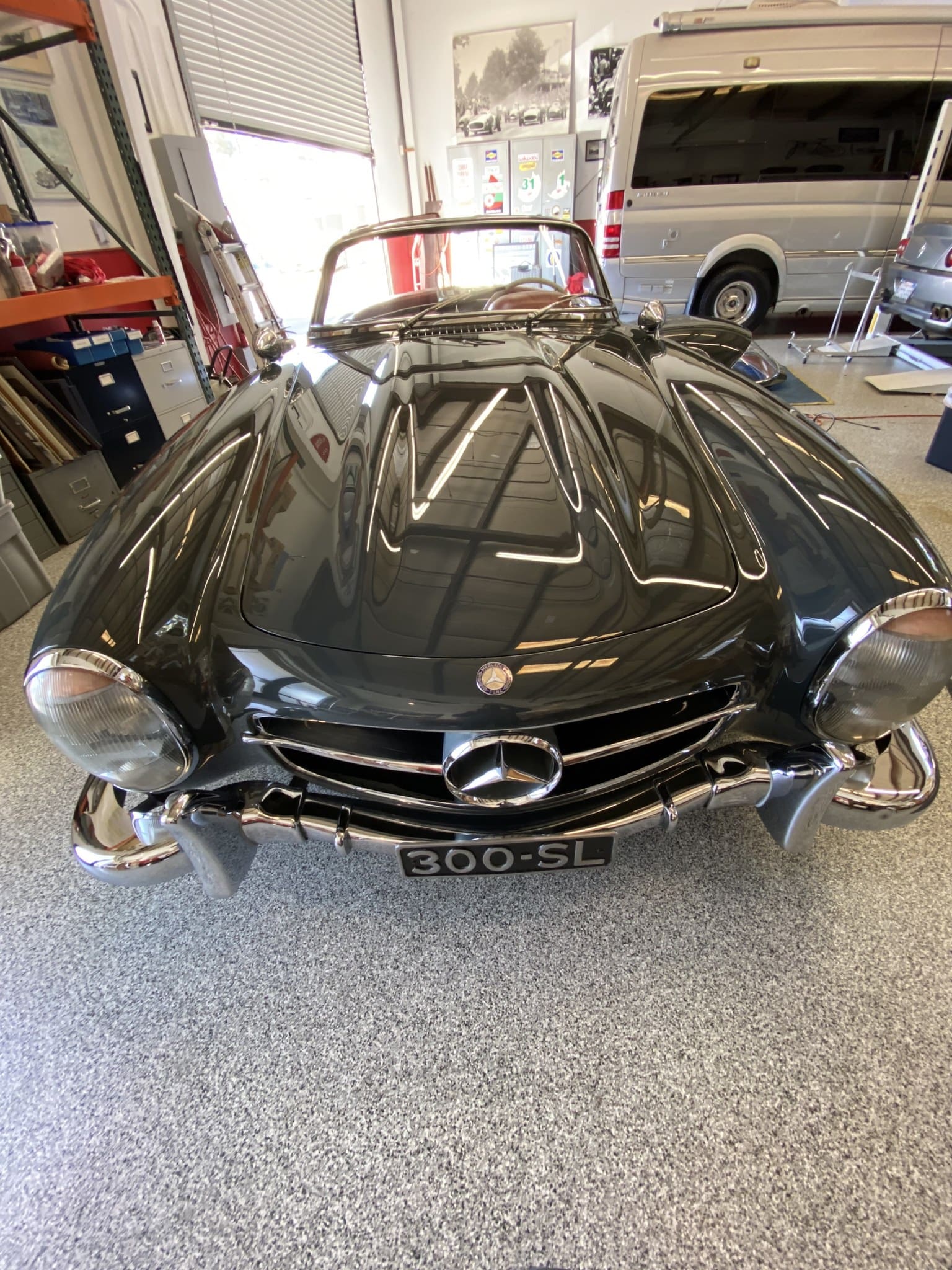
How Hugo's Auto Detailing approaches professional gelcoat repair
Professional solutions are not just bigger tools. They are a stack of controls and checks that prevent downstream problems. In our shop, that looks like climate-controlled bays, dust extraction at the source, and consistent catalyst mixing at known temperatures. We stage work so that a fill, cure, block, and polish proceed without overnight contamination from traffic or overspray.
For a gouge down to fiberglass, we rebuild from the inside out. We open the wound with a shallow bevel so the new material feathers into sound gel. If fibers are cut, we laminate a small patch of cloth with epoxy or polyester, depending on the original construction and compatibility. After a proper cure, we fair with Boat ceramic coating a structural filler before any cosmetic layer. Gloss changes are easy to spot. Structural stiffness is not. You only get one chance to put stiffness back.
Spider cracks around a stanchion base are a case study. We unbolt the hardware, inspect backing plates, and replace crushed core if present. Only after the load path is fixed do we grind out crazing to clear, clean material and fill. If the deck is nonskid, we texture-match with spray or roller techniques that work with gel, or we recommend a durable deck paint in a masked panel if the original texture is too far gone. The point is a repair that looks right and stays right.
Color on dark hulls is the acid test. Sun chalks and fades blue and black gel faster than white. On a navy hull with ten seasons behind it, a factory can of “Navy 302” will look electric beside your boat. We prepare for that by scouting the panel in bright sun and shade, then mixing with patience. We apply test dabs and let them cure fully, because wet gel lies about its eventual hue. Only when the eye agrees do we shoot or brush. Then the long board comes out to flatten orange peel and texture drift until reflections run straight.
When a detailer’s mindset matters
Many gelcoat projects start as detailing conversations. An owner brings a faded hull for Exterior detailing, hoping a heavy cut will bring it back, the same way Paint correction rescues clear coat on a car. Gelcoat is thicker than automotive clear, and it responds well to compound, but it is finite. Sand or compound aggressively and you may create a patchwork of thin spots that dull quickly. It takes judgment to decide when to stop compounding and suggest a more durable solution, like a re-spray or, sometimes, a high-solids ceramic topcoat that will buy a few seasons of gloss without eating deeper into the gel.
Our Marine detailing teams at Hugo's Auto Detailing spend as much time with polishers as with sandpaper, and that crossover helps. We know what a rotary on a wool pad will do to a corner, and we protect edges and molded details that thin quickly. We work by measured passes, not by “until it looks good.” After polishing, we often apply Boat ceramic coating to lock in the gloss and simplify maintenance, particularly on white and light colors where long-term UV shielding pays off. Ceramic is not a bandage for flawed repairs, but it is a smart top layer on sound gel.
Inside the cabin, Interior detailing has little to do with gelcoat, yet it intersects. Solvent odors linger. Dust travels. When a boat lives in a marina, neighbors notice. A disciplined detailing team builds and breaks down containment cleanly, manages waste properly, and returns the boat ready for use. That care keeps the peace on the dock and spares you awkward conversations.
Safety, solvents, and stewardship
Fiberglass dust is hazardous. MEKP catalyst is dangerous. Acetone flashes fast and dries skin to paper. If you do not have a place to work where you can control vapor and dust, and if you do not own and wear proper PPE, be honest about it before you start. A half-mask respirator with organic vapor cartridges and P100 prefilters, gloves rated for solvents, and eye protection are non-negotiable. So is disposal according to local rules. Cured resin goes in the trash. Liquid waste is hazardous. Shops invest in proper storage and pickup because fines and fires are not theoretical.
The water matters too. Even topside work can end up in the marina if you are not careful. We stage sanding and polishing with capture, block scuppers, and use biodegradable soaps to clean after compounding. A good Boat detailing service should treat the dock like a shared living room, not a workshop floor.
Matching expectations to outcomes
The most honest part of any gelcoat repair conversation is the expectations talk. New-boat perfect is a high bar, and, in some cases, unrealistic. If the surrounding gel is sunburned, your perfect patch will look obviously fresher. You can blend and feather, but you cannot make thirty years of sun disappear from the panel with a small repair. That is not failure. It is physics.
What you can expect from a careful DIY repair on a small chip is invisibility at a few feet and a strong barrier against water. What you can expect from a professional repair on a complex gouge is a return to structural integrity, a match that fools the casual eye, and a finish that stands up to regular washing and occasional compounding. On a full panel respray, you can expect a reset, but also a different maintenance plan. Fresh gel or paint wants curing time before heavy use and benefits from sealants or coatings that slow future oxidation.
Real-world examples from the shop floor
A 26-foot center console came into our bay with a two-foot rub along the starboard quarter from a concrete dock. The owner tried to sand it smooth, then stopped when the white turned yellow. That yellow was the first kiss of laminate. We rebuilt with a narrow laminate feather, then a fairing pass, then color-matched gel sprayed in thin, controlled coats. The key was patience on the block, moving from 220 to 320 to 600 before switching to 1000 and 2000. The reflection line along the quarter returned. Under halogen work lights, you could still pick the transition if you knew where to look. At the dock, it vanished.
Another case was a sloop with spider cracking around the mast partners on the cabin top. Previous owners had filled the cracks without addressing the compression under the mast step. We pulled the step, found crushed balsa core, and replaced it with a high-density insert. Only then did we grind and refill the gelcoat, then recreate the nonskid with a roller technique that matched the original. Without the structural correction, any cosmetic fix would have cracked again by the next season.
Hugo's Auto Detailing on preventing the next repair
Prevention is boring until you add up the hours saved. At Hugo's Auto Detailing, we treat gelcoat like skin. Clean regularly, protect from UV, and avoid harsh scrubs that strip its natural defenses. A consistent wash routine with proper soaps, gentle mitts, and dedicated drying towels staves off the need for aggressive compounding. Annual or semiannual polish on sun-facing panels keeps oxidation in check. On many boats, a quality Boat ceramic coating or polymer sealant after polish buys you time between corrections and slows chalking. We also look at the hardware story. A loose stanchion will crack gel forever. Proper bedding, backing plates, and torque are cheap insurance.
Slip habits count. Fenders that ride too low let the hull kiss the dock under wakes. Lines that saw at chocks etch grooves. Simple adjustments prevent gelcoat drama.
DIY vs. Pro, framed as a decision tree
Think in layers. If the damage is shallow, small, above the waterline, and the color is forgiving, DIY earns its keep. If the damage cuts to fiber, spans long, flat panels, lives below the waterline, or sits under hardware, weigh the benefits of a professional solution. Also weigh what you want to see when you are done. If “pretty good” makes you happy, the satisfaction of your own work carries value. If you want “which side was it again,” a shop has tools and repetition that matter.
There is a parallel to Paint correction in auto work. Anyone can wash and wax. Not everyone wants to chase micro-marring on piano black trim with a jeweler’s temperament. Boats amplify that reality with larger surfaces, trickier colors, and harsher environments.
Closing thoughts from the yard
Gelcoat rewards respect. It is thick enough to forgive and thin enough to punish. The best outcomes start with honest assessment, continue with clean process, and end with maintenance that honors the work you put in. Whether you grab the spreader and dive into a chip repair or you schedule a bay for a more complex job, keep the priorities straight. Protect the laminate, control the environment, and be patient with the finish.
If you choose the DIY path, write down your catalyst ratios and ambient conditions, work small, and sand with intention. If you opt for a professional, ask about process, not just price. Do they control temperature and humidity. How do they handle dust, solvents, and waste. What is their plan for color matching after cure. Good answers sound like systems, not guesses.
And if you want a team that lives at the intersection of Marine detailing and precision finishing, Hugo's Auto Detailing brings the habits of a disciplined Car detailing service into the boatyard. That cross-training shows up in the gloss, but more importantly, it shows up a year later, when the repair still looks right and the deck hardware above it has not moved a millimeter.
Hugo's Auto Detailing
1610 East Valley Rd, Montecito, CA 93108
(805) 895-1623
Auto Detailing FAQ
How Long Does Car Detailing Take?
Car detailing typically takes between 2 and 8 hours, depending on vehicle size, condition, and whether paint correction or ceramic coating is included.
How often should I get my car detailed?
Most vehicles should be detailed every 3 to 6 months, with more frequent service recommended in coastal environments or high-use conditions.
What Does A Full Boat Detail Include?
A full boat detail typically includes exterior washing, surface decontamination, oxidation removal as needed, and interior cleaning. Protective treatments are then applied based on the boat’s materials, usage, and coastal exposure conditions.